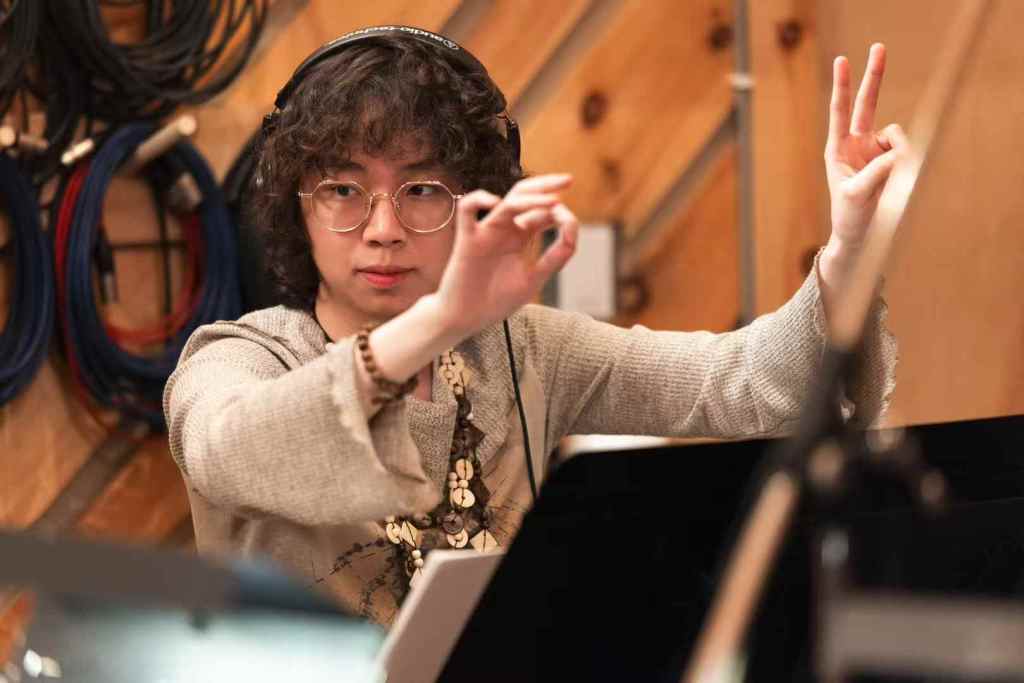
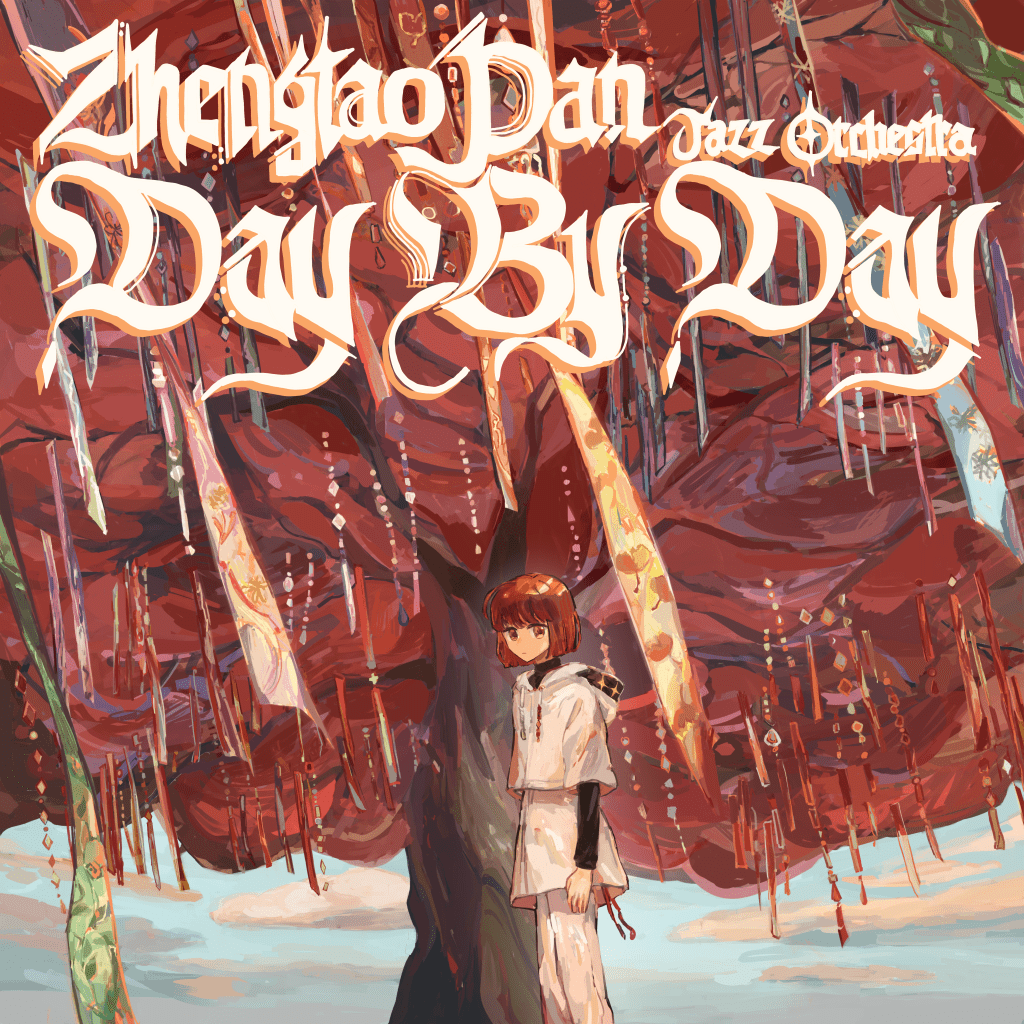
Zhengtao Pan is a Shanghai-born composer, arranger, and orchestrator, increasingly recognized as one of the most in-demand composer/arrangers of his generation, with work spanning jazz, concert music, and media scoring. A graduate of Berklee College of Music with a double major in Jazz Composition and Classical Music Composition, he is currently pursuing a dual master’s degree in Jazz Writing and Film Scoring at the Eastman School of Music. In the media world, Pan has contributed music to more than 20 game projects, including 4 PC and PS5 titles.
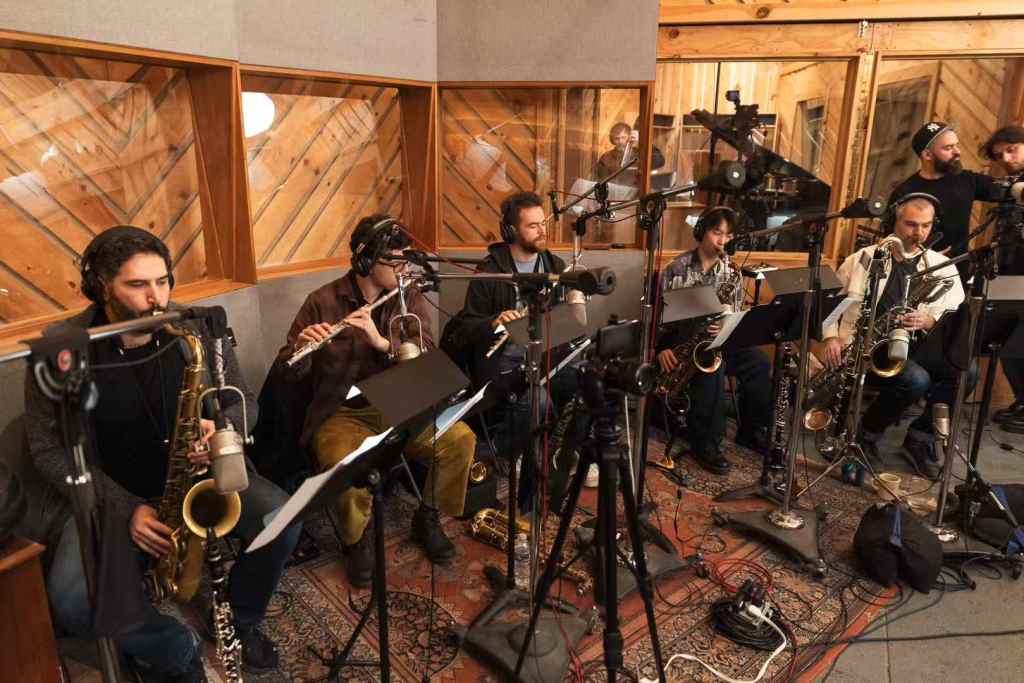
Day By Day is a big-band record about the hidden everyday life of musicians—the hours of solitary practice, the repetition, and the quiet discipline that outsiders rarely see.
“I wanted to push back against the stereotype that musicians are either glamorous pop stars or eccentric recluses. To me, musicians are storytellers: each carries a personal world, and when we finally come together to play, that’s where the magic begins”
Starting with Childhood: When Memory Becomes Music
In his latest album, composer Zhengtao Pan introduces Childhood as a leading single, using music to reflect on everyday life and personal memory.
Speaking about the origin of the piece, Pan describes a recurring experience. Each year, he returns to Shanghai and notices how rapidly the city changes. The neighborhoods of his childhood, including alleyways, close-knit communities, and street vendors, have gradually disappeared.
For him, this is not simply a matter of loss, but a deeper transformation.
Certain cultural forms fade away because they are no longer needed in contemporary life.
An important influence on this perspective comes from composer Lei Liang. In his writings, Liang discusses how artists often become aware of their cultural heritage only after leaving their original environment. This idea resonated strongly with Pan and became a key starting point in his creative thinking.
Cultural Identity: From Expectation to Self-Definition
While working in New York, Pan became increasingly aware of the assumptions placed on musicians based on their background.
Within the jazz scene, musicians from China are not always naturally perceived as jazz artists. This perception is rarely explicit, but often appears as a subtle stereotype.
At the same time, there is an implicit expectation to fit into existing cultural norms, both musically and socially.
Pan began to question this expectation.
Instead of fully assimilating, he chose to build a musical identity rooted in his own cultural experience.
This decision has become central to his artistic direction.
Sound and Image: A Process of Elimination
Pan does not approach his music as a simple fusion of styles. Instead, he describes his compositional method as intuitive yet structured.
His process can be understood in three stages.
First, he imagines a visual scene. In Childhood, this includes grass, children playing marbles, and an overall green atmosphere.
Second, he matches sonic colors to this image. Sounds that align with the scene are kept, while those that do not are removed.
Third, he composes through elimination. Rather than adding more material, he focuses on defining what should be excluded.
In practice, Pan often distributes multiple elements at reduced intensity. Each element occupies a limited space, which allows the music to remain balanced and clear without becoming overly dense.
Rethinking Heritage: Beyond Cultural Labels
In Pan’s work, heritage is not limited to traditional cultural elements.
It also includes personal experience, long-term influences, and inspirations outside of music.
For example, he references early exposure to video games such as The Legend of Zelda: Ocarina of Time. The Celtic-inspired musical language in these works left a lasting impression on his musical sensibility.
As a result, his music does not aim to represent a single identity. Instead, it integrates multiple layers of influence into a unified sound.
Why Jazz: A Space for Expression
When asked why he chose jazz as his primary medium, Pan explains that the decision was initially shaped by circumstance. Over time, however, he came to recognize important differences between musical systems.
In contemporary classical music, he observes a strong emphasis on technique and structural analysis. Expression is sometimes less direct. By contrast, jazz offers improvisation as a central practice. It emphasizes interaction, communication, and flexibility.
For Pan, this openness makes jazz particularly suitable for personal expression. As he explains, jazz is not just a style, but a framework that allows individual experience to enter the music.
Conclusion: Toward a Personal Language
From urban memory to cultural identity, from compositional method to artistic direction, this album reflects an ongoing search for a personal voice.
Rather than simply blending traditions or conforming to existing systems, Pan works between them. Through this process, he continues to shape a musical language that is both individual and deeply connected to experience.
We would like to express our sincere appreciation to Zhengtao Pan for sharing his insights and experiences with such openness. As a young composer of remarkable talent, his commitment to honest artistic expression and his dedication to producing work of exceptional quality are truly inspiring. We are also grateful for his time and generosity in participating in this interview with the Chinese Composer Community.
Designed with WordPress
 Chinese Composer Community
Leave a comment